About Treatments Self-Assessment Effects FAQs ๐Ÿ“ž Call Helpline: (800) 662-4357
Confidential Recovery Guidance

Has Porn Become More Than Just a Habit?

Whether you're ready to explore treatment or simply looking for answers, our compassionate recovery specialists are here to listen, answer your questions, and help you understand your options.

If you've promised yourself you'd stopโ€”but the cycle keeps repeatingโ€”you are not alone. When pornography begins affecting your relationships, emotional well-being, work, or daily life, it may be time to seek professional support.

Take Self-Assessment

Reclaim Your Life

Reaching out for help with compulsive adult content viewing is a courageous first step. Get a completely confidential evaluation today.

โœ“ Free & Confidential Consultations
โœ“ Licensed Care Provider Network
โœ“ Insurance Verification Placements
โœ“ 24/7 Helpline Response

Recognizing Problematic Pornography Use

The term "porn addiction" is commonly used to describe compulsive or problematic pornography use that feels difficult to control and continues despite causing distress or affecting important areas of life.

While experiences vary from person to person, many individuals find that professional support helps them better understand their behaviors, break repetitive behavioral patterns, and develop healthier coping strategies.

Person looking out a window representing self-reflection and mindfulness

Taking Back Control

Understanding the underlying triggers is the first step toward lasting change.
Areas of Treatment

Compulsive sexual behaviors can affect people in different ways. Our treatment partners offer compassionate, evidence-based care designed to address the emotional, behavioral, and psychological factors that may contribute to these concerns.

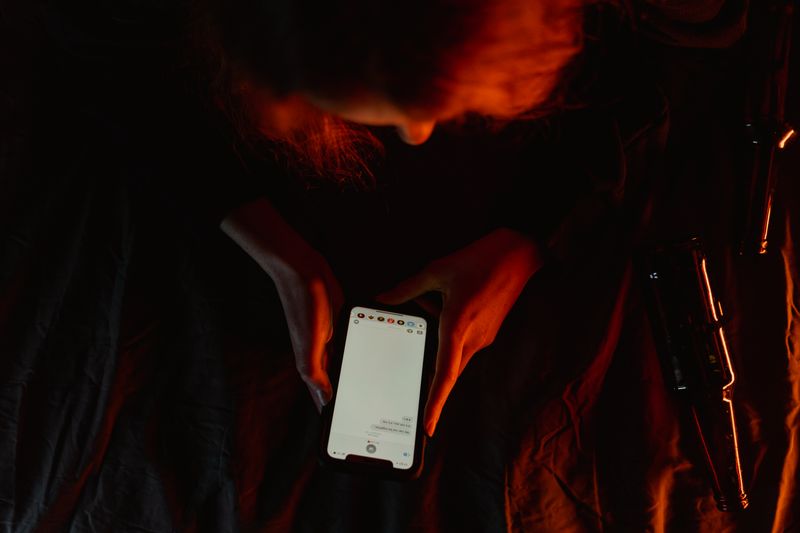
Overhead shot of a person using a cellphone

Compulsive Pornography Use

When pornography becomes difficult to control and begins affecting your mental health, relationships, work, or overall well-being, professional treatment may help you better understand the underlying causes and develop healthier coping strategies.

Person looking at ocean reflecting

Compulsive Masturbation

When masturbation becomes excessive or begins interfering with daily responsibilities, emotional well-being, relationships, or productivity, it may be a sign that additional support could be beneficial. Treatment focuses on identifying triggers and building healthier behavioral patterns.

A person sitting while holding a tablet

OnlyFans & Subscription-Based Content

For some individuals, platforms such as OnlyFans may contribute to compulsive viewing, excessive spending, secrecy, or emotional dependence. Therapy can help address these behaviors while supporting healthier digital habits and improved emotional well-being.

Close-up shot of a couple cuddling

Compulsive Sexual Behavior

Persistent sexual thoughts, urges, or behaviors that become difficult to manage may cause significant distress or interfere with everyday life. Treatment focuses on improving emotional regulation, strengthening impulse control, and promoting long-term recovery.

Close-up shot of a person using a smartphone

Cybersex & Online Sexual Behaviors

Excessive engagement in online sexual activitiesโ€”including webcams, sexting, chat platforms, or other virtual interactionsโ€”may begin affecting relationships, work, or emotional health. Professional support can help individuals establish healthier coping skills and digital boundaries.

Professional support and comfort

Compulsive Sexual Behavior Disorder (CSBD)

Some individuals experience repetitive sexual behaviors that continue despite emotional distress or negative consequences. A personalized treatment plan can help address compulsive behaviors while also identifying and treating any co-occurring mental health concerns when appropriate.

Can You Relate to These Signs?

If pornography use has become difficult to manage, you may recognize some of the experiences below. Check the boxes that align with your current habits to evaluate your symptoms.

โœ“
I've tried to stop, but I keep going back.
โœ“
I spend more time watching pornography than I intend.
โœ“
I feel guilty or ashamed afterward.
โœ“
I hide my pornography use from others.
โœ“
I use pornography to cope with stress, anxiety, or loneliness.
โœ“
My relationships have been affected.
โœ“
I've lost interest in real-life intimacy.
โœ“
My pornography use is affecting my work or daily routine.
โœ“
I feel like I'm losing control of my habits.
โœ“
I want things to change, but I'm not sure where to start.
Self-Evaluation Result 0 / 10 Checked

Select signs above

Select the checkboxes matching your experience to calculate a clinical overview.

If several of these sound familiar, you are not alone. Speaking with a qualified professional may help you better understand your situation and explore treatment options that fit your needs.

How Compulsive Pornography Use May Affect Your Life

Compulsive or problematic pornography use may affect different areas of life. While everyone's experience is unique, some people report challenges such as:

๐Ÿง 

Mental Health

โœ”Anxiety
โœ”Depression
โœ”Guilt & Shame
โœ”Mood Changes
โœ”Low Self-Esteem
โœ”Emotional Distress
โค๏ธ

Relationships

โœ”Loss of Trust
โœ”Emotional Distance
โœ”Reduced Intimacy
โœ”Frequent Conflict
โœ”Relationship Strain
โœ”Feeling Disconnected
๐Ÿ’ผ

Career & Daily Life

โœ”Difficulty Focusing
โœ”Reduced Productivity
โœ”Missed Responsibilities
โœ”Decreased Motivation
โœ”Trouble Reaching Goals
โœ”Declining Performance
๐ŸŒฟ

Overall Well-Being

โœ”Sleep Problems
โœ”Chronic Stress
โœ”Fatigue
โœ”Difficulty Concentrating
โœ”Less Enjoyment in Activities
โœ”Reduced Quality of Life

If pornography use is affecting your emotional well-being, relationships, or daily responsibilities, professional support may help you develop healthier coping strategies and regain a greater sense of control.

Why Shame Can Make It Harder to Reach Out

Many people experiencing compulsive or problematic pornography use feel embarrassed, isolated, or uncertain about asking for help. These feelings can make it more difficult to seek support and may contribute to a cycle of secrecy and avoidance.

You are not alone in having these thoughts. Reaching out for support isn't a sign of weaknessโ€”it's an important step toward understanding your challenges and exploring healthier ways to move forward.

You May Find Yourself Thinking:

"I should be able to handle this on my own."
"If someone finds out, they'll judge me."
"I've tried before, so what's the point?"
"Maybe it's too late to change."

Personalized Treatment Options

No two recovery journeys are the same. Treatment should be tailored to your unique experiences, goals, and any emotional or mental health concerns that may be contributing to compulsive behaviors.

A qualified treatment professional can help determine the approach that's most appropriate for your individual needs.

Your Care Plan May Include:

โœ” Individual Therapy
โœ” Cognitive Behavioral Therapy (CBT)
โœ” Acceptance and Commitment Therapy (ACT)
โœ” Trauma-Informed Therapy
โœ” Couples or Family Counseling
โœ” Group Therapy
โœ” Relapse Prevention Planning
โœ” Treatment for Co-Occurring Mental Health Conditions
โœ” Medication Evaluation (when clinically appropriate)
โœ” Aftercare & Ongoing Recovery Support

Support & Clarity

Find answers to common questions about treatment, therapies, and recovery options.

If pornography use is causing distress, affecting your relationships, work, or daily life, or you've found it difficult to reduce or stop on your own, speaking with a qualified professional may help you better understand your options.

Many people benefit from evidence-based therapies that address the emotional, behavioral, and psychological factors associated with compulsive pornography use. The most appropriate approach depends on each person's individual situation.

Licensed treatment providers follow applicable privacy and confidentiality laws. If you contact a treatment provider, you can ask questions about how your information will be handled.

Many individuals and couples work toward rebuilding trust, improving communication, and strengthening intimacy as part of the recovery process. Every relationship is unique, and progress varies from person to person.

The term "porn addiction" is commonly used to describe compulsive or problematic pornography use. Regardless of the terminology, if pornography use is causing significant distress or interfering with daily life, professional support may be beneficial.

Setbacks can happen during behavior change. A relapse doesn't mean you've failedโ€”it may be a sign that your recovery plan needs additional support or a different therapeutic approach.

Take the Next Step

Ready to Take the Next Step?

If compulsive pornography use has been affecting your life, you don't have to face it alone. Support is available, and taking the first step may help you better understand your treatment options.

One conversation can be the first step toward positive change. Reach out today to learn more about your recovery options.

Talk With a Caring Recovery Specialist Today

Whether you're looking for information, exploring treatment options, or seeking support for yourself or a loved one, compassionate professionals are here to listen and help you navigate your next steps.

โœ” Free & Confidential Consultation
โœ” Insurance Verification Available
โœ” Personalized Treatment Guidance
โœ” Connections to Licensed Treatment Providers
๐Ÿ“ž Call 24/7